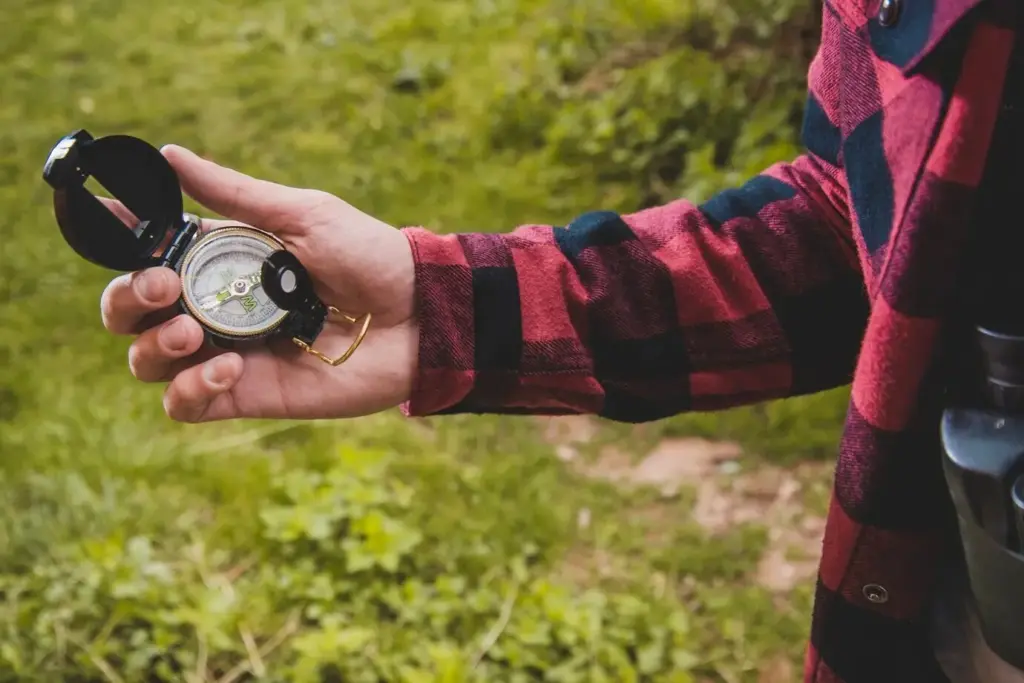


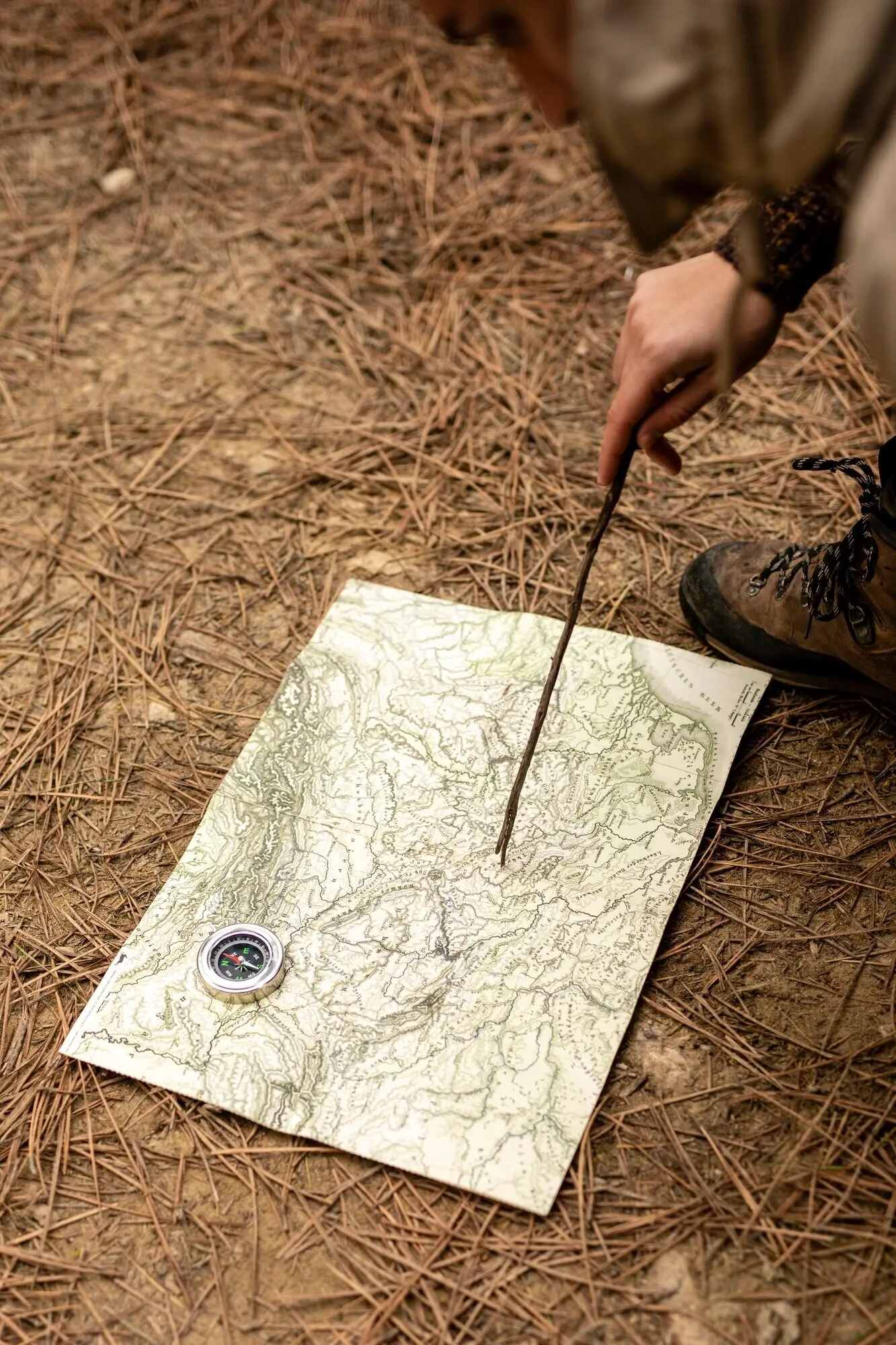


Print a large-scale topo with slope shading, carry it in a waterproof sleeve, and mark checkpoints that confirm direction even in flat light. Use a compass bearing to pierce fog, then verify with offline GPS maps. Redundancy reduces error, conserves phone battery, and strengthens your mental picture of the day’s quiet geography.
Note how wind sculpts ridgelines, how hollow sounds reveal weak layers on unsupported pillows, and how cracks race when slabs are touchy. Avoid steep convexities and terrain traps; choose sparse timber and low-angled benches instead. If you enter avalanche terrain, bring partners, beacons, probes, shovels, training, and disciplined decision frameworks that prioritize life.
Winter days are short, but margins grow when pacing is honest. Start early, track turnaround time, and match loop length to surface speed. Build contingency routes sheltered from wind and lingering clouds, and practice navigating by headlamp, so a surprise squall becomes a story rather than an emergency.

We left a roadside plow berm with pink light brushing peaks. Skis whispered over lake crust, then climbed through open larch where sunbeams stitched warmth across our backs. Turning early, we found our out-track again, grinning at fox prints beside ours, grateful that restraint preserved energy for laughter and cocoa.

Snowshoes thumped softly as the moon threw silver across windswept cornices. We sheltered behind krummholz, sipped ginger tea, and watched clouds sprint the valley. With temperatures dropping, we skipped the extra spur, saving it for another night. Satisfaction bloomed because choosing less allowed us to savor everything more completely.
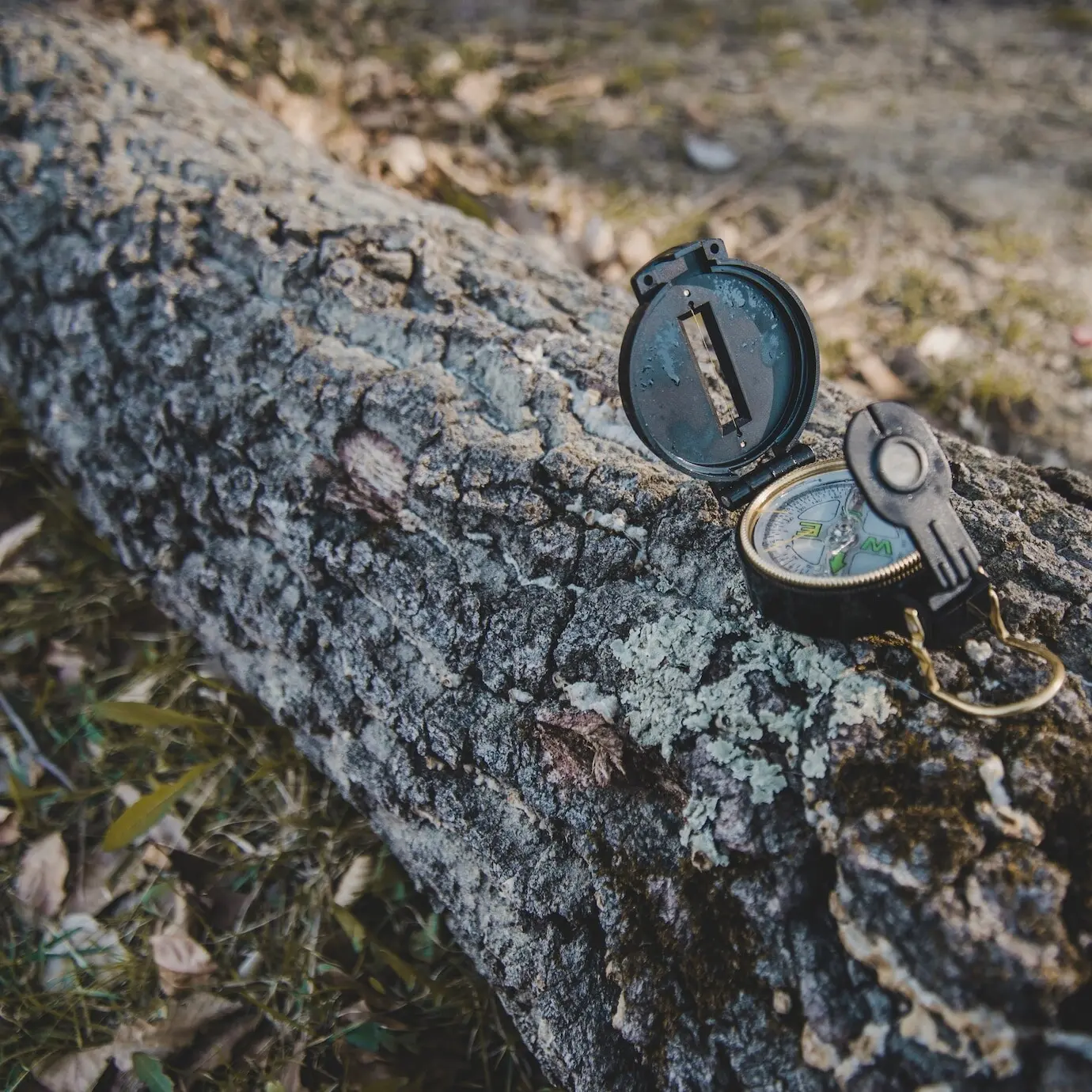
Flat light erased contours until the world felt paper-smooth. We slowed, tightened group spacing, and simplified decisions to handrails and time limits. Headlamps came out early; laughter stayed. The loop shortened by choice, yet the day felt full, because we replaced pressure with process and trusted steady steps.
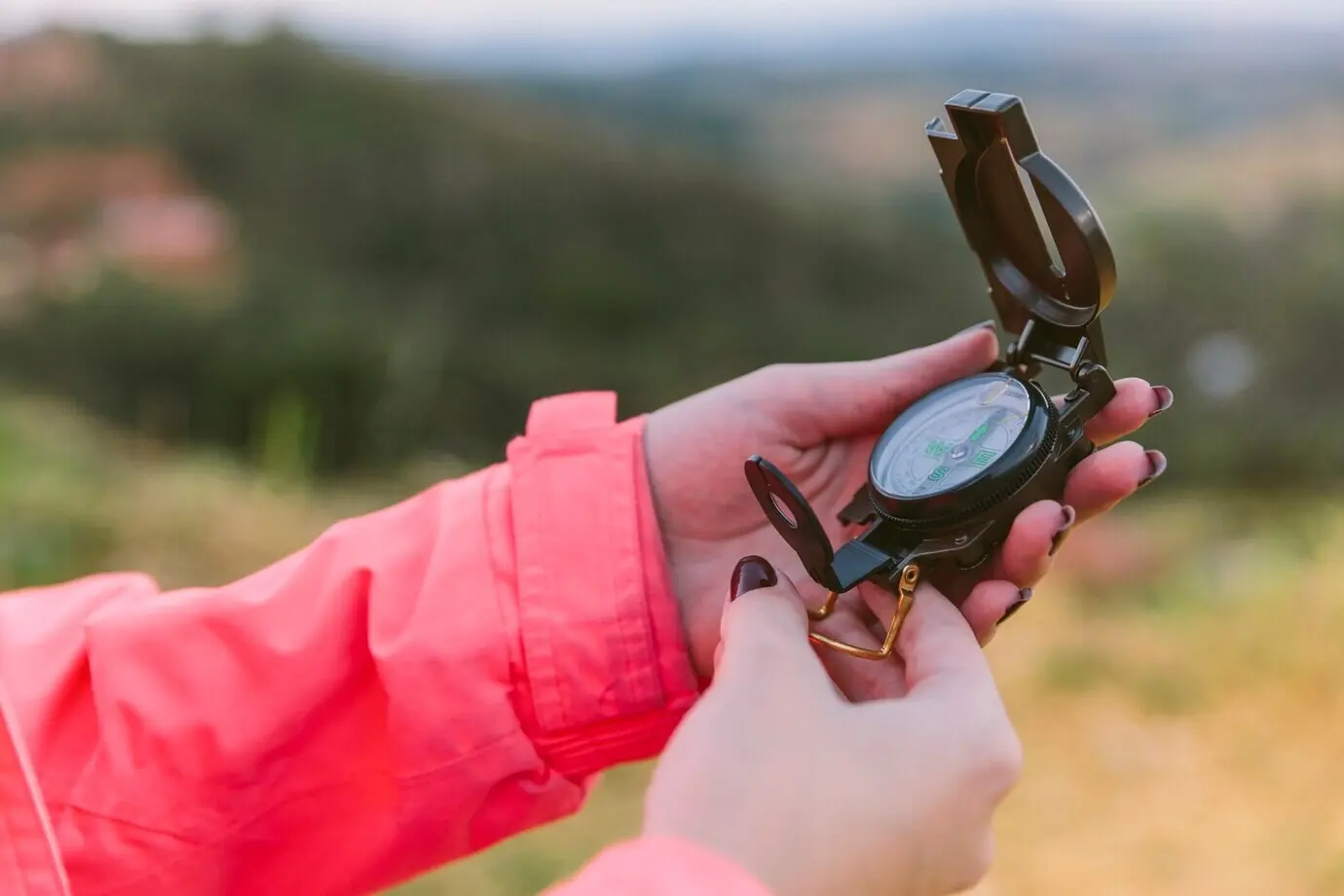
Bookmark your regional avalanche center, study historical storm tracks, and learn which aspects hold powder or crust after certain winds. Try CalTopo, GAIA, and open-source maps with slope angles, road layers, and land ownership. When snowfall comes, your practiced curiosity will convert data into confident, flexible plans that honor daylight and energy.
A five-minute chat with a plow driver, snow ranger, or café regular often reveals which gates were plowed yesterday, which meadows drift, and which creeks stay open. Combine that with field signs—rimed branches, sastrugi, and hoar frost—to refine your loop on the fly, reducing surprises while preserving delightful spontaneity.