Grain at Altitude: Analog Adventures Among Alpine Peaks

Step into crisp mountain air and deliberate frames crafted with patience. Today we explore Film Photography in the Alps: Iconic Views and Low-Traffic Trails for Analog Shooters, celebrating quiet routes, reliable gear, and film stocks that flatter snow, stone, and sky. Learn how to plan serene approaches, master metering on bright glaciers, and protect precious rolls from weather and travel. Expect practical guidance, heartfelt anecdotes, and invitations to share your own summit stories, contact sheets, and hard-earned lessons.

Quiet Approaches to Grand Vistas

True solitude is possible in celebrated mountains if you plan like a cartographer and walk like a respectful guest. We’ll untangle timing, shoulder seasons, and regional transit quirks to help you reach legendary viewpoints along low-traffic trails where your shutter clicks echo softly. With smart route choices and flexible turn-around times, you’ll compose sweeping frames without crowds, allow wind to carry your thoughts, and shape a day that ends with full rolls, safe legs, and a gentle sense of personal discovery.

Emulsions That Honor Alpine Light

Color Negative Latitude for Unpredictable Skies

When afternoon clouds boil over ridgelines, Portra and Gold provide forgiving highlights, graceful skin tones for trail companions, and workable scans that tame contrast. Ektar thrives on saturated lakes and flower meadows, though it asks careful exposure to avoid harsh transitions. Slight overexposure can rescue snowy highlights, while thoughtful metering preserves shadow texture in forests. Communicate with your lab about intended density and contrast, and consider mild warming filters to nudge alpine blues toward natural memories rather than postcard clichés.

Slide Film Discipline on Glaciers and Lakes

When afternoon clouds boil over ridgelines, Portra and Gold provide forgiving highlights, graceful skin tones for trail companions, and workable scans that tame contrast. Ektar thrives on saturated lakes and flower meadows, though it asks careful exposure to avoid harsh transitions. Slight overexposure can rescue snowy highlights, while thoughtful metering preserves shadow texture in forests. Communicate with your lab about intended density and contrast, and consider mild warming filters to nudge alpine blues toward natural memories rather than postcard clichés.

Monochrome Drama with Filters and Push

When afternoon clouds boil over ridgelines, Portra and Gold provide forgiving highlights, graceful skin tones for trail companions, and workable scans that tame contrast. Ektar thrives on saturated lakes and flower meadows, though it asks careful exposure to avoid harsh transitions. Slight overexposure can rescue snowy highlights, while thoughtful metering preserves shadow texture in forests. Communicate with your lab about intended density and contrast, and consider mild warming filters to nudge alpine blues toward natural memories rather than postcard clichés.

Reliable Tools Above the Treeline
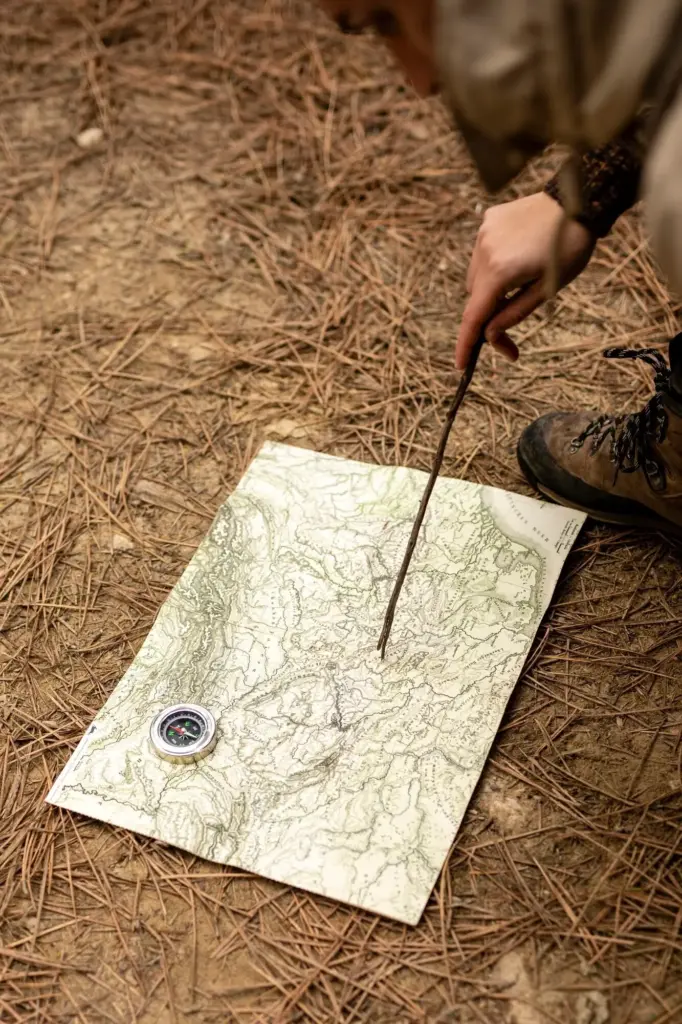
Cold air, rapid pressure swings, and condensation test cameras as much as hikers. Mechanical shutters excel when batteries sulk, while compact lenses invite nimble composition on exposed slopes. We’ll weigh 35mm versatility against the breathtaking presence of medium format, and consider rangefinders for quieter operation. Stability matters, yet packs must remain comfortable over hours. Choices that prioritize reliability, thoughtful ergonomics, and tactile joy ultimately free your attention for light, lines, and safe footwork on wind‑carved paths.

Incident, Spot, and the Faithful Grey Rock
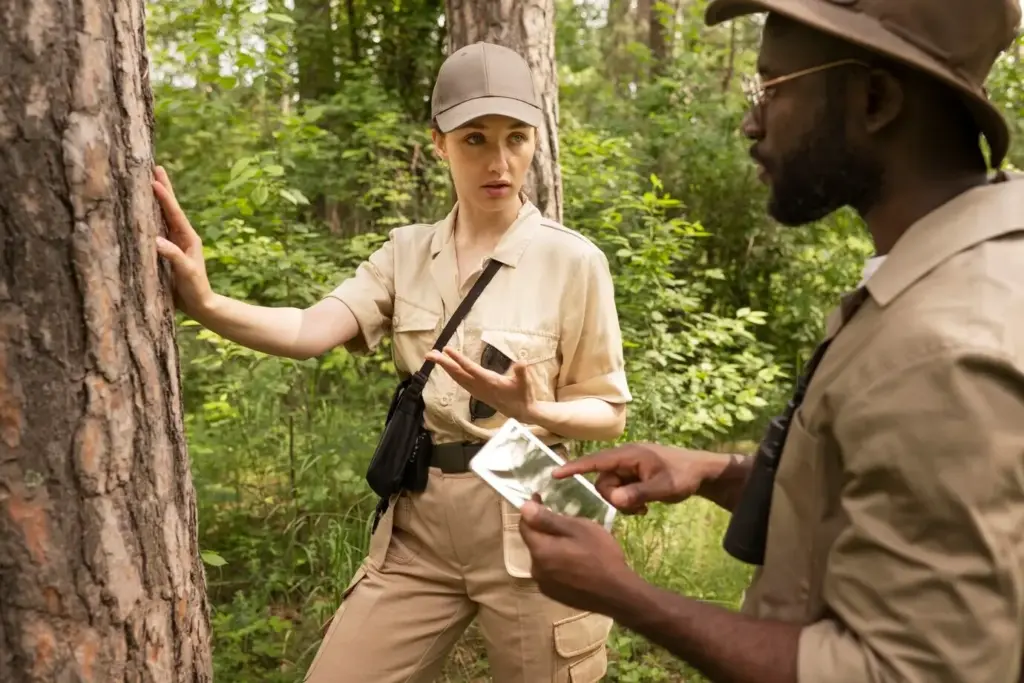
Carry an incident meter for base readings, then refine with spot checks on mid-tone analogs: weathered wood, grey rocks, or grass. Snow should sit brighter than middle grey, so open up to preserve sparkle without erasing texture. With slides, nudge exposure to defend highlights; with negatives, ensure shadows maintain printable density. Note wind-driven variability and re-meter when clouds thin. Over time, these simple practices engrain judgment that frees you to compose at the edge of breath.

Bracketing Smartly When Slides Are Unforgiving

Bracketing is an investment, not a panic button. Pick a logical center based on highlight placement, then bracket in half steps tailored to your stock’s tolerance. Favor situations with irreversible risk—glacier reflections, sunlit snow bands, iridescent clouds—rather than routine scenes. Log your choices on a card tucked near the roll, and correlate results after scanning. Soon you’ll bracket with purpose, conserving frames while dramatically increasing the odds that one transparency sings with crystalline, honest light.

Reading Weather Like a Local, Not a Tourist

Morning lens clouds on peaks, wind shifts in saddles, and changing snow texture underfoot all whisper forecasts if you listen. Combine official reports with on-the-ground cues, and treat ambition as negotiable. Shelter early when thunder threatens, even if the light finally blooms. There will be more days. A conservative mindset reduces risky scrambles and frees mental bandwidth for metering, composition, and storytelling. Your photographs deepen when your judgment keeps you present, attentive, and unhurried by looming mistakes.

Leave No Trace in Fragile Alpine Meadows

Alpine plants recover slowly from careless shortcuts and tripod legs driven into moss. Stay on durable surfaces, spread out to avoid social trails, and keep gear tidy during lens swaps so micro-trash doesn’t vanish into the grass. Sunrise silence is a gift; return it by whispering, stepping lightly, and yielding to wildlife. Clean ethics don’t dull creativity—they sharpen seeing, reduce stress, and build friendships with locals who might later share the quiet paths you most hope to find.

From Pack to Print: Protecting, Processing, and Sharing
Protecting Rolls from Heat, X-Rays, and Rough Travel

Use zip pouches with silica packs, keep film in carry-ons, and request hand checks where possible. Lead bags can trigger rescans, so polite conversation often works better. Avoid trunk heat during transfers and let canisters acclimate before opening in huts. A small changing bag solves emergencies. Label rolls by location and exposure index, and note filter use. These little habits save detail in delicate highlights and prevent heartbreak that no scanning wizardry can fully repair later.

Labeling, Notes, and Honest Contact Sheets

Write down film stock, EI, lens, and metering approach immediately after key frames, then match notes to roll numbers. Ask labs for straight scans first, evaluating density and color before stylizing. Contact sheets are mirrors, revealing habits worth keeping and mistakes to retire. With honest review sessions, your alpine work gains coherence: fewer redundant frames, stronger sequences, and captions that remember wind direction, cloud height, and your exact footing when the composition finally clicked into place.

Community: Share, Subscribe, and Trade Routes

Join our analog circle by posting frames, contact sheets, and behind-the-scenes notes, then tell us which quiet paths led you to unhurried light. Comment with transit tips, safe shortcuts, or huts that welcome early risers. Subscribe for route updates, film tests, and seasonal planning prompts designed for alpine wanderers. Your experiences help others craft safer, kinder outings and find new perspectives without crowds. Together we create a living map of grain, gratitude, and mountain air.
Ramomotifamiloxuxo
Privacy Overview

This website uses cookies so that we can provide you with the best user experience possible. Cookie information is stored in your browser and performs functions such as recognising you when you return to our website and helping our team to understand which sections of the website you find most interesting and useful.